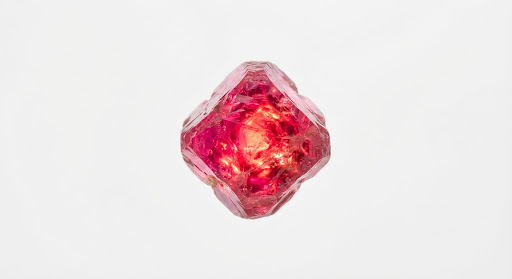
Mahenge spinel is a natural gemstone from the Mahenge region of Tanzania, celebrated for some of the most vivid pink, pinkish-red and red spinels found anywhere in the world. Fine examples can combine intense saturation with exceptional transparency and brilliance, producing the bright, lively appearance for which Mahenge has become known among collectors, gem dealers and jewellery designers.
Although spinel had been mined around Mahenge before its most famous discovery, the region entered the international gemstone spotlight in 2007 when exceptionally large pinkish-red spinel crystals were recovered near Epanko, also widely written as Ipanko, several kilometres south of Mahenge town. The discovery produced unusually large quantities of fine facetable material and helped establish Tanzania as one of the world's most important sources of pink and red spinel.
Today, the name Mahenge spinel is associated above all with vibrant Tanzanian pink-to-red spinel, particularly stones showing strong colour, transparency and an almost luminous appearance.
What is Mahenge spinel?
Mahenge spinel is the gem variety of the mineral spinel, with the ideal chemical formula MgAl₂O₄, originating from the wider Mahenge gemstone-producing area of central Tanzania.
Spinel is a distinct mineral species rather than a variety of ruby or sapphire. For centuries, however, red spinel was confused with ruby because the two gemstones can look remarkably similar. Modern gemmology clearly separates them: ruby is corundum, while spinel has its own chemistry and crystal structure. According to GIA, spinel has a refractive index around 1.718, a specific gravity around 3.60 and a hardness of 8 on the Mohs scale.
The best-known Mahenge stones occur in shades ranging through:
- pink
- vivid pink
- orangy pink
- pinkish red
- purplish red
- saturated red
Mahenge also produces spinel outside this famous pink-red spectrum. Gemmological reports have documented purple, violet and other colours from the area, while a separate deposit near Lukande, south-east of Mahenge, has produced remarkable cobalt-bearing blue spinel.
The term Mahenge therefore describes an origin rather than one single colour grade.
The 2007 discovery that changed the spinel market
Mahenge's modern reputation is inseparable from an extraordinary gemstone discovery in 2007.
In the Epanko/Ipanko area south of Mahenge, miners recovered several enormous pinkish-red spinel crystals from marble-hosted deposits. GIA records four major crystals ranging from approximately 5.7 kg to 52 kg, while SSEF describes a giant crystal of approximately 52 kg and material capable of producing faceted stones reaching exceptional sizes.
The discovery was remarkable not simply because of the weight of the rough.
Parts of those crystals were sufficiently transparent and intensely coloured to produce exceptional faceted gemstones, including stones weighing tens of carats. GIA has documented important finished stones attributed to the discovery, including an 18.21 ct red spinel, while SSEF has examined a remarkable 104 ct Mahenge spinel.
Field reports from the period describe a sudden influx of fine red spinel into the gem trade. The discovery brought renewed international attention to spinel itself and helped place Mahenge alongside the world's recognised coloured-gem localities.
Importantly, however, Mahenge spinel did not begin in 2007.
GIA reported spinel from the Mahenge area before the landmark discovery. Material from around Kibangili and Ipanko was documented in the trade by at least the mid-2000s, and the wider Morogoro region has a much longer history of ruby and spinel production.
The 2007 event is therefore better understood as the discovery that transformed Mahenge's international reputation rather than the first discovery of spinel in the region.
Explore: The 2007 Mahenge Spinel Discovery →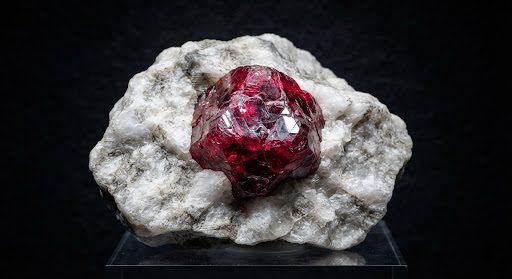
Why is Mahenge spinel so distinctive?
There is no single feature that makes a fine Mahenge spinel exceptional.
Instead, its appearance comes from the interaction of colour, tone, saturation, transparency, cut and optical behaviour.
The stones that have made Mahenge famous tend to sit within the vivid pink-to-red part of the spectrum. GIA identifies bright red and vivid pink among the most highly valued colours in spinel generally, and historical GIA reports on Mahenge material document colours including purplish pink, pink, orangy pink, red-orange and orangy red.
Fine material can also show remarkable transparency. Because spinel is singly refractive and can be highly transparent, a well-cut stone may return light with considerable brilliance.
Terms such as “neon”, “electric”, “hot pink” or “glowing” are frequently used in the gem trade to describe particularly lively stones, but they are descriptive trade language rather than standardised gemmological grades.
A buyer should therefore judge the individual gemstone rather than relying on a colour name alone.
Chromium and the famous Mahenge glow
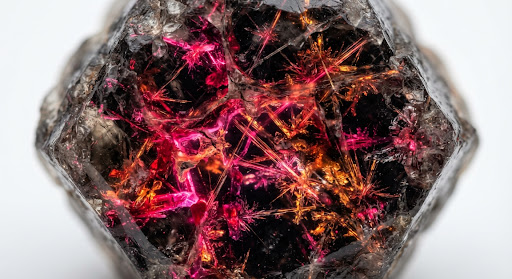
Chromium plays an important role in the appearance of many pink and red spinels.
GIA identifies chromium as the principal colouring element in red spinel. Studies of Mahenge material have also recorded chromium-related absorption features and red fluorescence under long-wave ultraviolet radiation.
This fluorescence can be part of the optical character that makes certain stones appear especially lively under particular lighting conditions.
It should not, however, be used by itself to determine that a gemstone comes from Mahenge. Fluorescence varies between stones and is only one observation among many used by gemmologists.
Likewise, a strong fluorescent reaction does not automatically make one spinel superior to another.
Colour should always be assessed in context, preferably under controlled and repeatable lighting.
Where does Mahenge spinel come from?
Mahenge is located in Tanzania's Morogoro Region, within one of East Africa's important coloured-gemstone areas.
The celebrated pinkish-red material normally associated with the Mahenge name is particularly linked to Epanko/Ipanko, situated roughly seven kilometres south of Mahenge township. SSEF identifies this locality as the source of the giant crystals recovered in 2007.
Spinel occurs around Mahenge in association with metamorphic rocks, including marble-hosted deposits. Both primary deposits and secondary material have been worked in the district, often by artisanal and small-scale miners. GIA field investigations have documented mining at Ipanko as well as gemstone activity across the wider Mahenge region.
This distinction is useful when discussing origin.
“Mahenge spinel” is commonly used as the recognised trade and geographic description, while a more detailed provenance may identify a particular locality such as Epanko/Ipanko.
Explore: Mahenge, Tanzania →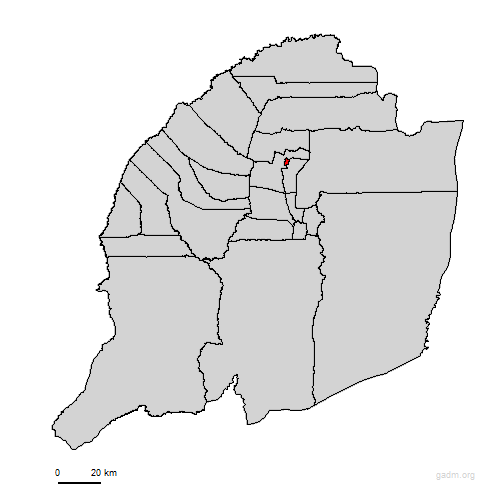
Gemmological properties of spinel
Mahenge spinel shares the fundamental properties of natural spinel documented in GIA reference data:
| Property | Reference |
|---|---|
| Mineral | Spinel |
| Chemical formula | MgAl₂O₄ |
| Crystal system | Cubic |
| Refractive index | Approximately 1.718 |
| Specific gravity | Approximately 3.60 |
| Mohs hardness | 8 |
| Birefringence | None |
Its hardness of 8 and good toughness make spinel sufficiently durable for many forms of jewellery, including rings, when appropriately designed and cared for. GIA recommends warm soapy water as a universally safe cleaning method.
Microscopic inclusions can also provide valuable information. Natural spinel may contain crystals, healed fractures, particulate clouds, fingerprint-like features and octahedral negative crystals. These internal features are not simply imperfections: for gemmologists, they can be part of the evidence used to study a stone's natural history.
Is Mahenge spinel treated?
One reason natural spinel appeals to many collectors is that treatment remains considerably less common than it is for some other coloured gemstones.
That does not mean every Mahenge spinel should automatically be described as untreated.
Heat treatment of spinel exists and has been scientifically documented. SSEF has specifically reported heat-treated pinkish-red spinels from Tanzania, although it noted that heated spinels were still only rarely encountered among the material it examined. GIA has likewise established methods for distinguishing heated from unheated natural spinel.
This distinction matters.
A responsible description should state only what is known about the individual gemstone. For important stones, an independent laboratory report can help establish whether the stone is natural and whether detectable treatment is present.
GIA also notes that no universal AAA, AA or A grading system exists for spinel. Such terms may be created by individual sellers, but they are not standard laboratory grades.
What determines the quality of a Mahenge spinel?
There is no single characteristic that defines a fine stone.
Mahenge spinel should be considered through the relationship between:
Colour
Colour usually has the greatest visual impact. Fine stones may display vivid pink, pinkish-red or red colour with strong saturation while remaining sufficiently light in tone to retain brightness.
Clarity and transparency
Eye-clean stones are particularly desirable, but inclusions should be judged by their visibility, position and effect on the appearance and durability of the gemstone. GIA notes that spinel without eye-visible inclusions generally commands greater value.
Cut
A skilled cut can enhance brilliance, colour and face-up appearance. Poor orientation or excessive extinction can make even strongly coloured rough appear lifeless.
Carat weight
Fine spinel becomes significantly rarer as size increases. GIA notes that availability falls and per-carat prices rise sharply for fine red, pink and blue spinels above five carats.
Origin and documentation
Mahenge provenance can add interest and collectability, particularly for exceptional stones, but origin should never replace an assessment of the gemstone itself.
A mediocre gemstone does not become exceptional simply because it carries a desirable geographic name.
Natural Mahenge spinel for collectors and jewellery
At its best, Mahenge spinel combines several characteristics that coloured-stone collectors seek: natural origin, striking colour, transparency, durability, geological interest and a relatively recent but significant place in modern gemstone history.
It can also be an excellent jewellery stone.
With a Mohs hardness of 8, spinel is considerably harder than many popular coloured gemstones and is suitable for rings, earrings, pendants and other jewellery when properly set.
For collectors, however, the appeal extends beyond durability.
A documented Mahenge spinel can represent a particular place, geological environment and period in the history of the coloured-gem trade. The extraordinary 2007 discovery created stones whose provenance is itself part of modern gemmological history.
Current Stock
Exceptional Mahenge spinels, individually selected.
Explore Mahenge spinels currently available, each individually documented with the information known about the stone.
View Current StockThe independent Mahenge Spinel reference
MahengeSpinel.com exists to document and explore this remarkable Tanzanian gemstone in greater depth.
Our reference brings together:
- origin and mining history
- gemmological properties
- colour and fluorescence
- inclusions and treatments
- quality and value
- buying guidance
- available stones
- laboratory research
- historical and scientific sources
Our aim is to distinguish documented fact from trade terminology and opinion.
Where possible, technical and historical information is linked to recognised gemmological laboratories, field research and published literature. Available Mahenge spinels are individually documented in the Stock catalogue, allowing the known colour, proportions, treatment information and provenance to be considered stone by stone.
Mahenge is more than a fashionable name for pink spinel.
It is a Tanzanian gemstone locality that produced one of the defining coloured-gem discoveries of the modern era — and continues to offer gemmologists, jewellers and collectors an extraordinary subject to explore.
Evidence & further reading
Primary Sources & Further Reading
Key laboratory references and field reports supporting the historical and gemmological information on this page.
GIA · Gem reference
Spinel
Reference data for spinel chemistry, optical properties, hardness, colour, clarity and value factors.
Read at GIAGIA · Gems & Gemology
Fine Tsavorite and Spinel
Documents the four giant Ipanko crystals and the 18.21 ct red spinel fashioned from the 2007 discovery.
Read the GIA reportGIA · Field report
Update on Colored Gemstone Mining in Tanzania
Field observations from Mahenge and Ipanko during GIA's 2016 Tanzania expedition.
Read at GIASSEF · Research
Spinel from Mahenge and Its Heat Treatment
Records the 52 kg Ipanko crystal, exceptional faceted material and laboratory observations of heated Tanzanian spinel.
Read at SSEFGIA · Gemmological research
Distinguishing Heated from Unheated Spinel
GIA research establishing identifying criteria for heat-treated spinel.
Read at GIASSEF · Locality research
New Cobalt-Bearing Spinel from Lukande, Tanzania
Places Epanko/Ipanko south of Mahenge and documents the wider region's cobalt-bearing blue spinel.
Read at SSEF